Get a quote

Latest News & Updates

The Comprehensive School Cleaning Guide

There are currently more than 10.5 million full- and part-time pupils in school across the UK for the 2025/26 academic year. Combine that with teachers, visitors, and staff, that makes the school environments some of the busiest every single day, meaning that cleanliness isn’t just about appearance, it actively impacts health, attendance, wellbeing, and learning.

That’s why maintaining a consistently clean and spotless environment for everyone who crosses the threshold is essential, not just important. So, what does professional cleaning services look like in schools, and how do they impact the health of students and staff, and the presentation of schools as a whole? This guide explores everything about school cleaning, why it matters so much, and how professional school cleaning services differ from standard commercial cleaning contracts.

The Comprehensive School Cleaning Guide

What School Cleaning Involves

School cleaning requires a more specialised approach compared to office and commercial cleaning, specifically due to the need for structuring cleaning schedules around school hours, safeguarding, and attention to hygienic detail for daily contact points.

Classroom Cleaning

The most heavily used spaces in a school, classrooms see multiple students and staff daily, meaning they become a cocktail of germs and bacteria that can spread quickly and stick to surfaces.

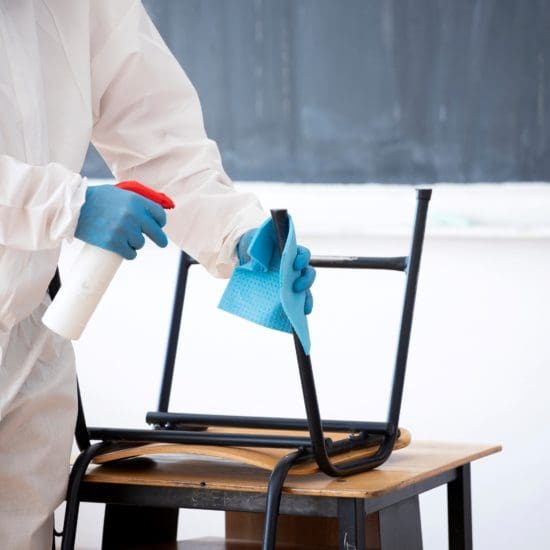
This means they’re a top priority in school cleaning services, particularly with the sanitising and disinfecting of desks and tables that see regular usage. It also extends to vacuuming, mopping, and cleaning whiteboards, alongside regularly emptying bins and dusting all surfaces, cupboards and storage.

Clean classrooms also help create a calmer and more organised learning environment, encouraging pupils to take pride in their surroundings.

Washroom Hygiene

Washrooms pose the most intense cleaning and disinfection necessary of any space throughout the day within a school environment. This equates to regular toilet, sink, and tap sanitisation and disinfecting, as well as floor and touchpoint cleaning and replenishing soap, toilet paper, and paper towels.

Odour control is another factor in washroom cleanliness, which can include airing out the washroom or applying a spray once cleaning is complete, all to reduce the spread of viruses and illnesses that can be airborne or caught in these spaces.

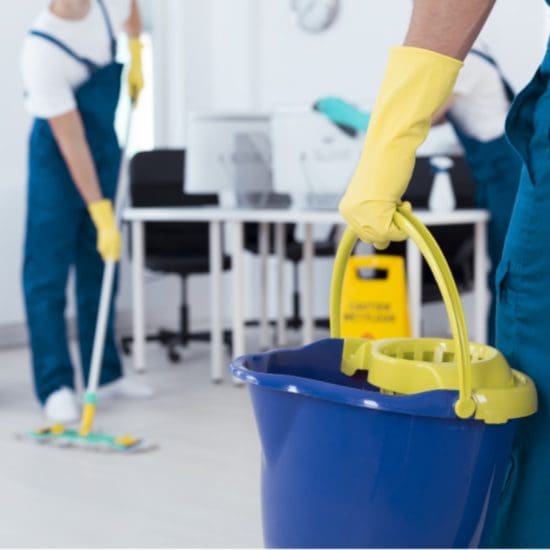
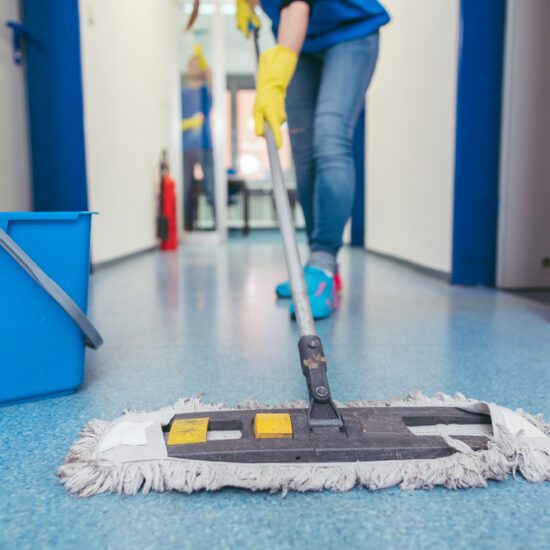
Close up,Of,Cleaners,Moping,The,Floor,Of,A,Hall

Communal Area Cleaning

Beyond classrooms, students and staff alike share enclosed spaces from corridors and reception areas to sports halls, canteens and dining areas, and libraries, with all requiring rigorous professional cleaning to maintain.

This ranges from the expected maintenance of the floor and touchpoints with cleaning and disinfecting, and extends to all windows and glass, stairwells, and full dining area sanitisation to prevent buildups of bacteria.

Specialist Deep Cleaning Services

Depending on the overall square footage of a school, it might require periodic deep cleaning services that can range from carpet cleaning and floor buffing, to specialised cleaning for areas like IT suites and sports facilities. These can be pre-term cleaning or end-of-term deep cleans, and are best scheduled around the school calendar to minimise or remove disruption to learning.

Offices 2

Why School Cleaning Is So Important

Cleanliness in schools has a measurable impact on attendance, behaviour, mental wellbeing and overall educational performance.

Reducing Illness and Improving Attendance

Schools are naturally high-contact environments due to the high footfall they see every working day, making infection control a major priority. Viruses and bacteria spread rapidly through shared surfaces, close contact and communal spaces, but research has shown that enhanced classroom cleaning can significantly reduce illness-related absences.

For example, a study across 34 public schools found that improved cleaning protocols were associated with lower rates of gastrointestinal-related absences among pupils.

Through thorough professional cleaning, schools see a huge reduction in illnesses and absences, improved hygiene across the board, and create healthier learning environments to reassure both parents and staff.

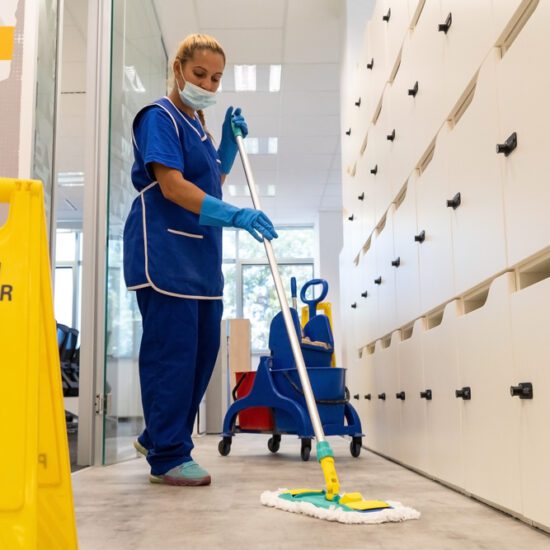
A,Cleaner,With,A,Mask,On,Her,Face,Cleans,The

The Link Between Cleanliness and Mental Wellbeing

The mental health and wellbeing of pupils and teachers is a huge conversation within education, and clean school environments have been shown to have a measurable impact. From our research, we’ve found that 83% of teachers have seen improved pupil behaviour in clean classrooms, while 90% said cleanliness positively impacted their own wellbeing.

The wider evidence around school attendance and mental health also reinforces the importance of positive school environments. Data from the Office for National Statistics found that children with higher absence levels were significantly more likely to experience poor mental health. 

Educational settings that feel clean, safe, and well maintained help pupils feel more comfortable and secure, as well as more likely to focus and motivate them to attend school. For staff, a clean workplace can also reduce stress and improve morale, especially when teachers are no longer expected to spend valuable time managing classroom cleanliness themselves.

Behaviour, Focus and Learning

The physical environment of a school influences behaviour more than many people realise, as clean and organised classrooms help establish standards and routines that encourage respect for shared spaces. Pupils are often more likely to take ownership of their surroundings when the environment is properly maintained.

Research has found that teachers consistently linked cleaner classrooms with pupils showing better behaviour, improved concentration and productivity, as well as more engagement with their lessons. As a result, hygiene is only one factor when it comes to professional school cleaning benefits, with learning being a key factor in outcomes.

shutterstock 1802652760

How Professional School Cleaning Services Differ

Not all cleaning services are suitable for educational environments. Schools require specialist cleaning contractors who understand safeguarding, compliance and operational scheduling.

DBS-Checked Cleaning Staff

One of the most important differences is safeguarding to ensure the safety of students and staff alike, meaning cleaning teams must be DBS checked, effectively trained in safeguarding awareness, and experienced working in educational environments, so they are aware of school security procedures.

Cleaning Around School Timetables

School cleaning requires careful scheduling to avoid disruption to learning. Professional cleaning services providers must take into account working around term timetables, after-school activities and evenings, school holidays, and exam periods, with flexibility ensuring schools remain clean without interrupting teaching and learning.

shutterstock 5000969381

Eco-Friendly Cleaning Solutions

Many schools are increasingly prioritising environmentally responsible cleaning practices, and expect any external third parties to adhere to these requests. This results in cleaning companies like NECS using eco-friendly products that contain low-toxicity cleaning chemicals in recyclable containers.

As schools continue to face increasing pressures around attendance, mental health and infection control, professional cleaning services play an essential role in supporting educational environments.

A well-maintained school demonstrates care, professionalism and commitment to pupil wellbeing, creating an environment where students and staff can thrive. We offer professional school cleaning services, so get in touch today to find out what we offer and how we can help keep yours clean.

Offices 1 - indoor air quality solutions

< Back

Get a Quote Today

Click Here